Juma Mosque in Shamakhi: The First Mosque of Azerbaijan, Built in 743 AD
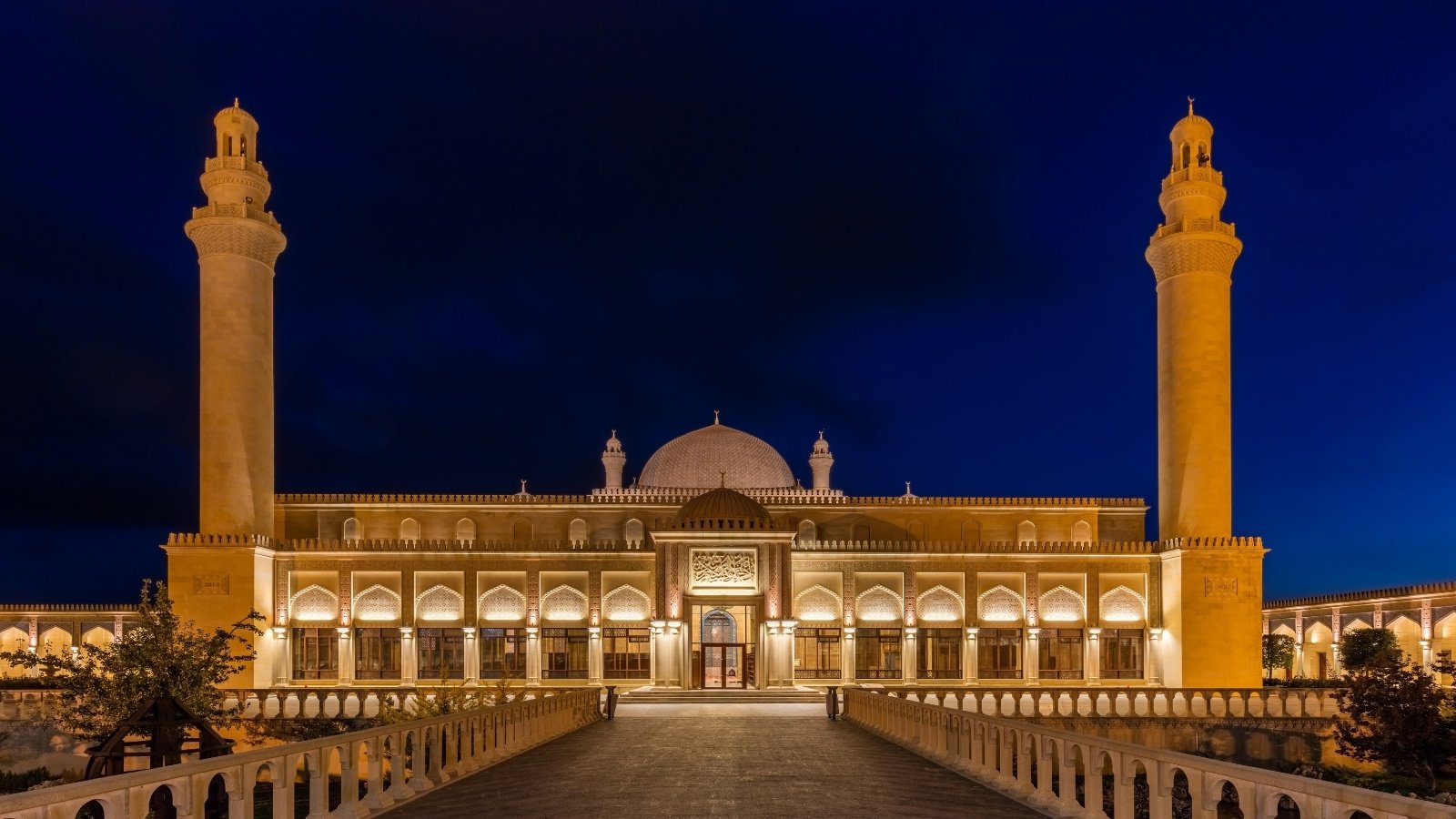
In the city of Shamakhi, in the heart of historical Azerbaijan, stands a mosque that changed not only the religious landscape of the region but also the architecture of the entire Caucasus. The Juma Mosque in Shamakhi is more than just a religious structure. It is a silent witness that has observed the course of history for almost 1300 years.
The date of its construction - 743 AD - makes it one of the oldest mosques not only in Azerbaijan but throughout the Caucasus region. Built by Abu Muslim, a prominent military commander and administrator of the caliphate, the mosque was erected as a symbol of the establishment of Islam in territories that had recently been conquered by the Arabs. Today, the mosque remains the second oldest on the Caucasus, surpassed only by the Derbent Juma Mosque (734 AD).
History Inscribed in Stone
The first mention of the mosque's construction date did not come from ancient records but from the mosque itself. An Arabic inscription is preserved on its wall, discovered only in 1902. This inscription indicates the 126th year of the Hijra, corresponding to 743-744 AD. This discovery was made by engineer Shah-Kuli-mirza Qajar, who came to Shamakhi to study the aftermath of an earthquake.
A simple date carved in stone tells us much. It speaks of an era when, in the 8th century, Europe was only beginning to form its first kingdoms, yet the Caucasus was already constructing magnificent mosques. It demonstrates that Azerbaijan was not a peripheral region of the Islamic world but an active participant, a place where architectural monuments were built according to the finest standards of that era.
Architecture of the Shirvan School
The Juma Mosque belongs to the Shirvan architectural school - one of the most influential schools of Islamic architecture in the Caucasus. This means its architectural solutions follow certain traditions and principles that were developed in the Shirvan region.
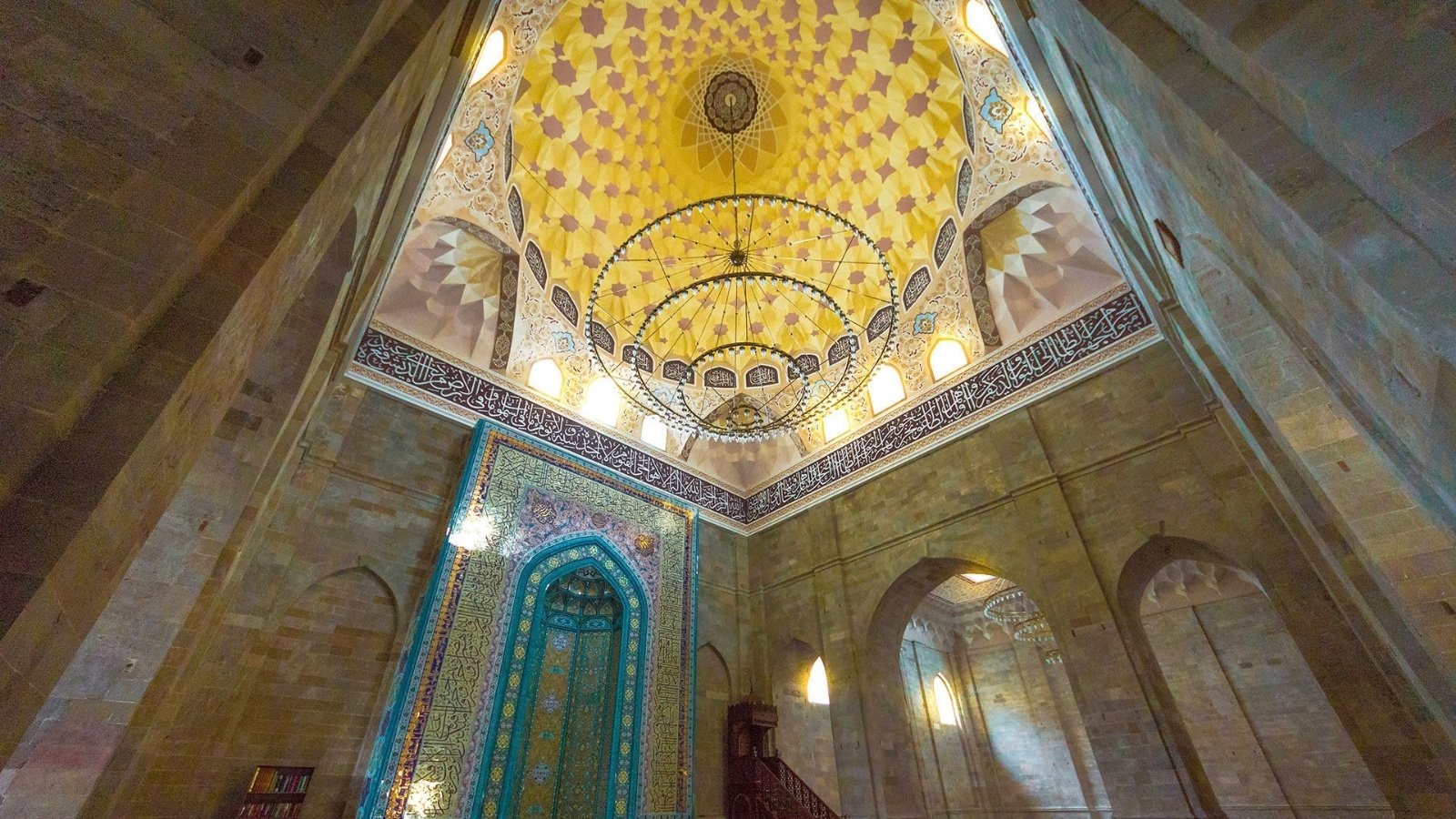
The mosque features a three-hall structure - meaning inside there are three main halls, each serving a specific function. This architectural solution allows the mosque to accommodate a large number of worshippers, which is necessary for a Friday mosque, which must be spacious enough to receive all those wishing to pray.
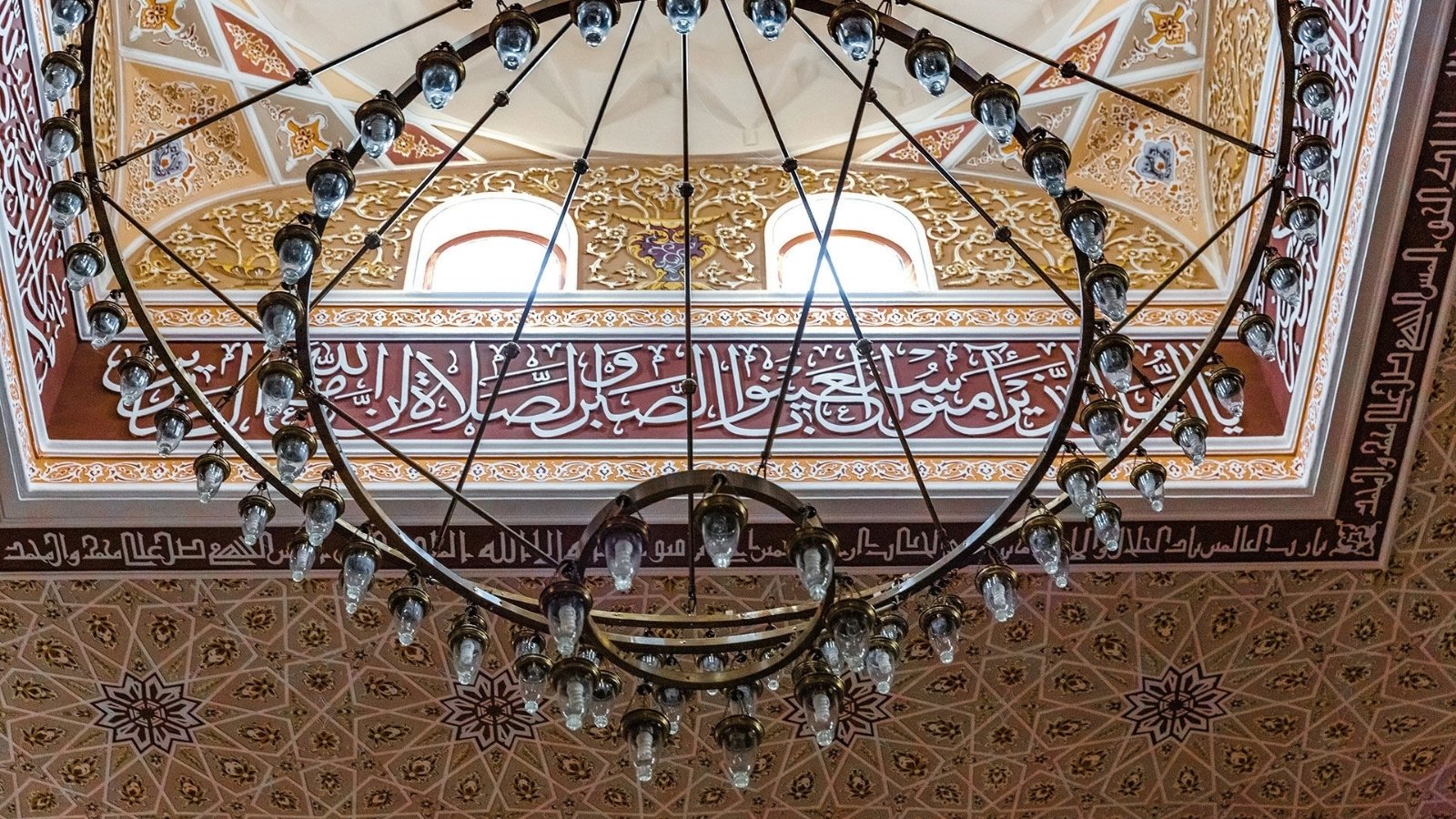
The mosque's columns support the vaults, creating a sense of space and grandeur. Each column bears the mark of time - some are original elements from the 8th century, others were restored or replaced during subsequent reconstructions. Yet they all work together to create architectural unity.
On the mosque's walls, you can see traces of different epochs. There are original elements created during the initial construction. There are elements added later when the mosque was repaired and expanded. Each layer is a layer of history.
Trials and Restorations
The Juma Mosque in Shamakhi has endured what would have destroyed a less sturdy structure. Throughout its history, it has been destroyed and restored numerous times. Earthquakes - a frequent occurrence in this region - have caused serious damage to the building on several occasions. The most famous earthquake occurred in 1859 and caused significant harm to the mosque.
But these were not only natural disasters. The mosque survived wars, conquests, and political upheavals. In 1918, during inter-ethnic conflicts, the mosque suffered a brutal attack. One of the most tragic events in the city's history occurred on its territory - the mosque served as a refuge for local residents who hoped to find protection in this sacred place. However, the attackers set fire to the mosque, killing approximately 1700 innocent people. This tragedy remains one of the most painful chapters in Shamakhi's history.
Despite all these trials, the mosque was restored each time. After the 1859 earthquake, the mosque was rebuilt. After the wars of the twentieth century, it was restored again. This persistence, this desire to preserve a sacred place - this is part of Azerbaijan's culture.
Modern Restoration and Rebirth
In the early 21st century, the mosque again required restoration. Years had passed, weather had left its marks on the stones, building elements required repair. In 2001, the mosque was officially declared an architectural monument of national historical and cultural significance.
In 2009, Azerbaijan's President Ilham Aliyev visited the mosque and decided on its complete restoration. Work began in 2010 and continued for several years. The goal of the restoration was to rebuild the mosque according to its original design, using preserved blueprints, architectural plans, and the results of archaeological research.
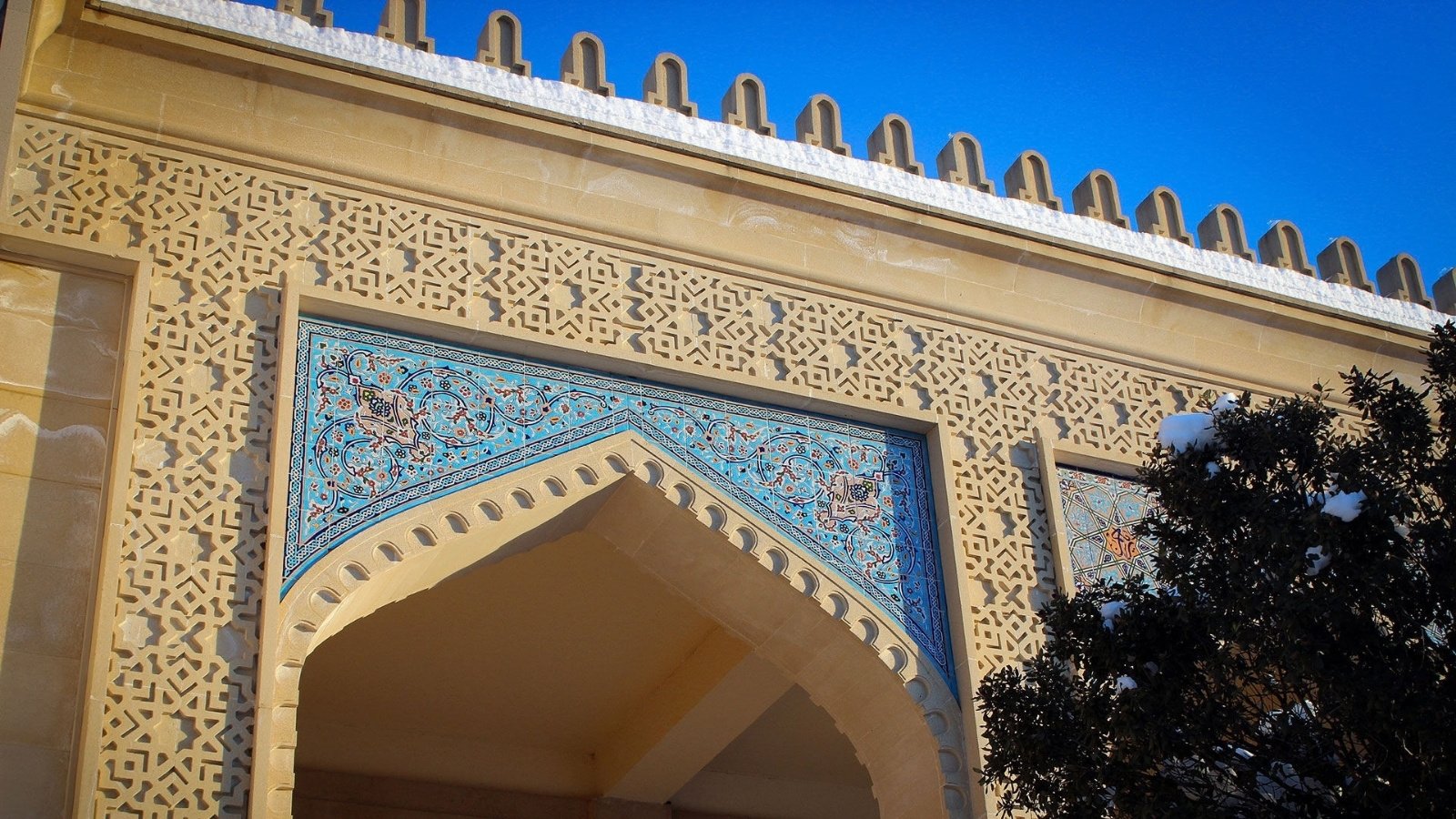
By 2013, the mosque was fully restored. Today it presents itself to visitors in its restored splendor - clean, repaired, yet preserving all the authenticity of ancient architecture. This was achieved through a careful approach to restoration that did not attempt to "modernize" the mosque but rather to restore its historical appearance.
Shamakhi and Its Historical Significance
The Juma Mosque stands in the city of Shamakhi, which has its own rich history. Shamakhi was the capital of the ancient state of Shirvan, a center of trade, culture, and political power. It was ruled by the Shirvanshahs - local rulers who had considerable influence in the region.
Tours around the regions of Azerbaijan that include Shamakhi often place the Juma Mosque at the top of the list of attractions. This is appropriate, because the mosque is the city's heart, its historical center, a place where you can literally touch history.
Around the mosque are other historical monuments. There are ruins of ancient fortresses, traces of ancient streets. The entire city of Shamakhi is an open-air museum where every stone tells a story of the past.
Spiritual Significance and Practice
The Juma Mosque is not a museum exhibit. It is a living, functioning mosque where people pray every day. Every Friday, just as 1300 years ago, believers come here for communal prayer. Friday prayer (Juma prayer) is one of the most important traditions in Islam, and the mosque, named the Juma Mosque, is specifically designed to accommodate large numbers of people for this prayer.
This gives the mosque a special status. It is not merely a historical monument - it is a place where past and present coexist. Where prayers uttered in 743 AD echo in the prayers spoken today.
Why Tours in Azerbaijan Should Include This Mosque
Tours around the regions of Azerbaijan that limit themselves to Baku alone miss the opportunity to see the true heart of Azerbaijani culture. Baku is a modern city, a center of the oil industry, a global metropolis. But the true history of Azerbaijan, its spiritual heritage, its architectural traditions - all of this is best understood by visiting cities like Shamakhi.
The Juma Mosque in Shamakhi is a window into Azerbaijan's past. It is a place where you can feel the continuity of history, understand how Islam became central to Azerbaijani culture, and see with your own eyes what architecture looked like more than a thousand years ago.
If you ever plan tours in Azerbaijan, do not miss Shamakhi and its famous mosque. This place will leave an impression that will stay with you for life. It is an encounter not just with a monument, but with the heart of Azerbaijani history and culture. If you are ready for this journey, we invite you to experience the Shamakhi and Gabala tour, where you will visit the Juma Mosque with an experienced guide and discover other historical treasures of this remarkable region.
Comments (0)
Leave a Comment