When travelers think of Baku, they often picture the Flame Towers, the UNESCO-listed Old City, or the beautiful Caspian Sea waterfront. Yet long before Azerbaijan became a modern travel destination, it was already known around the world for something that transformed the course of human history: oil.
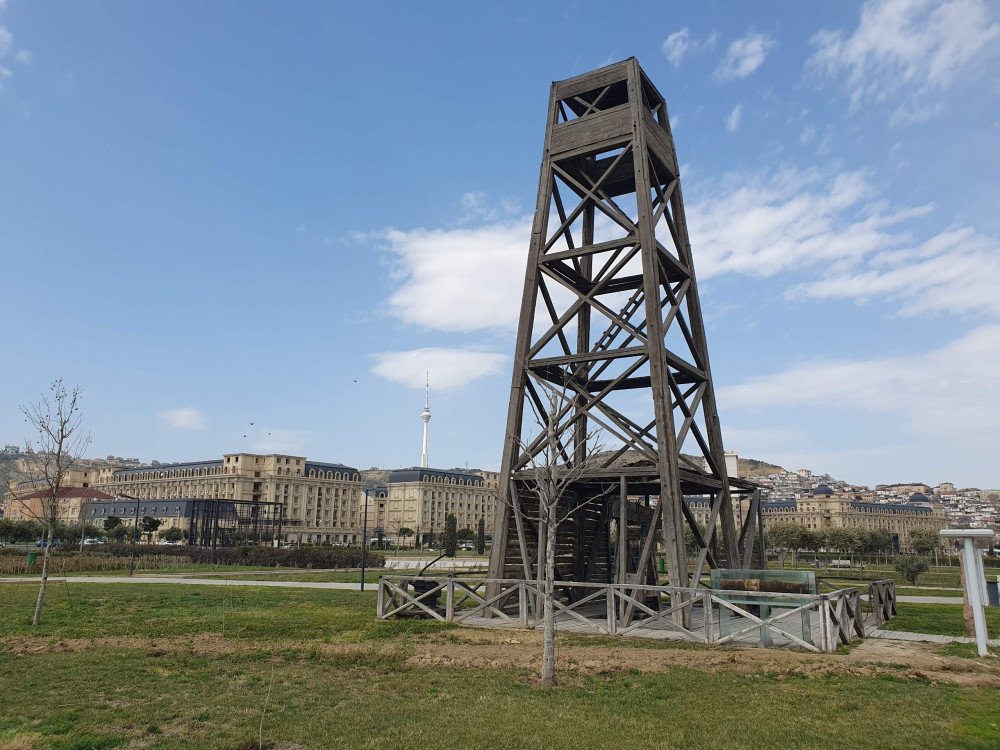
Few people realize that the foundations of the modern petroleum industry were laid in Azerbaijan. In 1846, near Baku in the settlement of Bibi-Heybat, the world’s first industrial oil well was drilled using mechanical methods. This historic achievement took place years before the famous Pennsylvania oil well in the United States and marked the beginning of a new era in global energy production.
Today, the story of Azerbaijani oil remains one of the most fascinating chapters in the country’s history, offering visitors a deeper understanding of how Baku evolved into one of the most important cities of the Caspian region.
Oil and Fire: Azerbaijan’s Natural Wealth
The connection between Azerbaijan and oil goes back thousands of years. Long before industrial drilling began, natural oil seepages were visible across the Absheron Peninsula. Ancient travelers from Persia, Arabia and Europe described mysterious black liquid emerging from the ground and flames burning naturally due to underground gas deposits.
Local communities used oil for lighting, heating and even medicinal purposes. These natural phenomena contributed to Azerbaijan’s enduring nickname — the “Land of Fire.”
The region's unique geological conditions not only shaped local traditions but also attracted merchants, explorers and scientists from around the world.
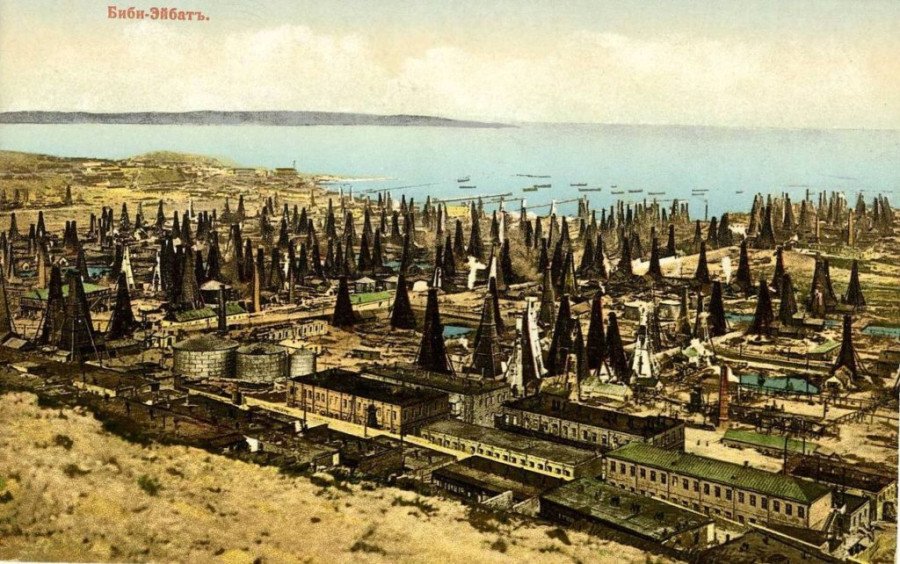
Bibi-Heybat: The Birthplace of the Modern Oil Industry
The true turning point came in 1846 when the first industrial oil well was drilled in Bibi-Heybat, just south of Baku.
Unlike earlier methods of collecting oil from surface deposits, this well was created through mechanical drilling, allowing for systematic extraction on an industrial scale. What may have seemed like a local engineering achievement at the time eventually changed the global economy forever.
The success of the Bibi-Heybat well demonstrated that oil could be extracted efficiently and commercially, paving the way for the development of modern petroleum industries across the world.
Today, historians and energy experts recognize Baku as one of the birthplaces of the global oil industry.
How Oil Transformed Baku
The discovery and industrial production of oil brought extraordinary changes to Baku.
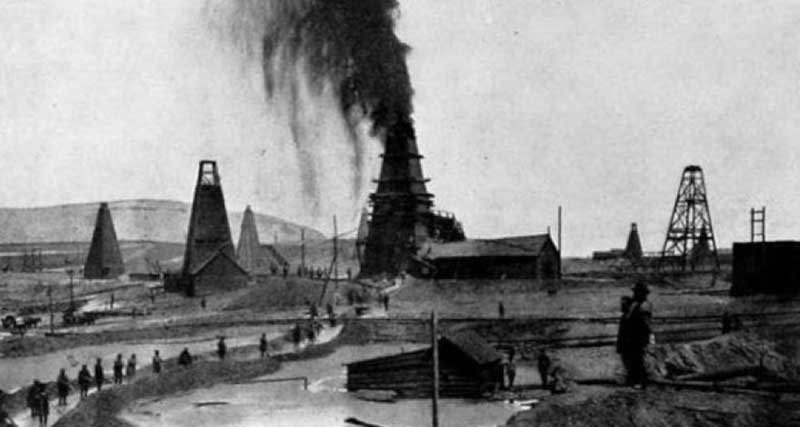
During the second half of the nineteenth century, the city experienced rapid growth and became a magnet for entrepreneurs, engineers and investors. International business figures arrived from Europe and Russia, hoping to participate in one of the most promising industries of the era. Among the most famous names associated with Baku's oil boom were the Nobel brothers and the Rothschild family. Their investments helped develop oil fields, refineries, transportation networks and modern urban infrastructure.
By the beginning of the twentieth century, Baku was producing more than half of the world's oil supply. The city became one of the leading industrial centers of the planet, earning a reputation that extended far beyond the Caucasus. Many of the elegant mansions and architectural landmarks visible in central Baku today were built during this prosperous period and continue to tell the story of the city's oil-rich past.
Visitors joining excursions in Azerbaijan often discover that some of the most beautiful buildings in Baku owe their existence to the wealth generated during the oil boom.
Azerbaijani Oil and Global History
The importance of Azerbaijani oil extended far beyond economics.
During the Second World War, Baku became one of the Soviet Union’s most strategically important regions. A significant share of the fuel used by military vehicles, aircraft and industrial facilities originated from Azerbaijan's oil fields. Because of this strategic importance, control of the Caucasus and its energy resources became a major objective during the war.
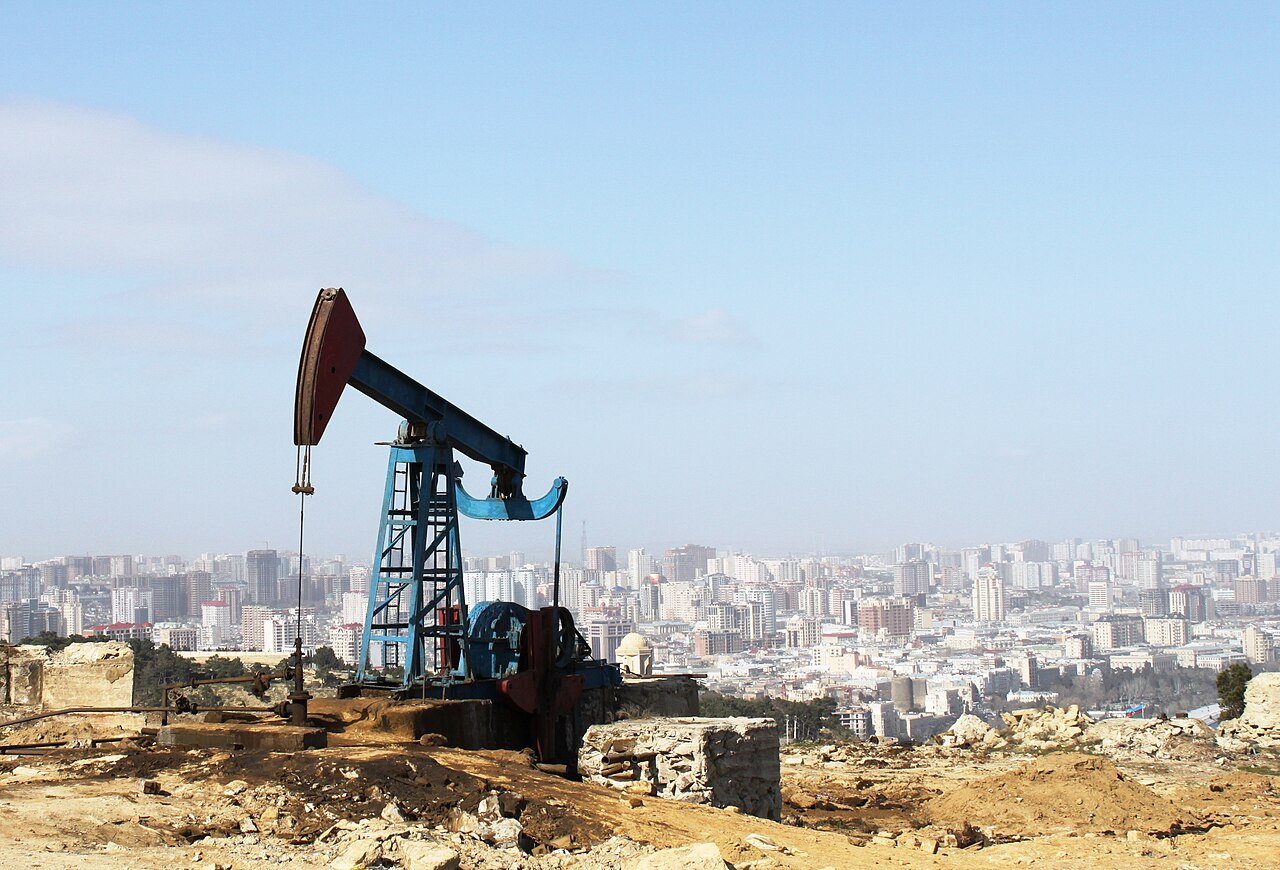
In the modern era, Azerbaijan continued to play a key role in international energy markets. The signing of the "Contract of the Century" in 1994 attracted major global investment and opened a new chapter in the development of the country's energy sector.
Discovering Azerbaijan’s Oil Heritage Today
Modern Baku proudly preserves its oil heritage while embracing innovation and contemporary culture.
Museums, historical districts and monuments throughout the city highlight the role that oil played in shaping Azerbaijan's development. Exploring these sites offers visitors a unique perspective on how natural resources influenced not only the country's economy but also its architecture, culture and identity. For travelers planning an Azerbaijan tour, learning about the history of oil provides a fascinating complement to visits to the Old City, the Caspian coastline and the country's natural attractions.
Those interested in this remarkable chapter of history may also enjoy exploring the Absheron Peninsula. Many routes include the Bibi-Heybat area, where the world's first industrial oil well was drilled, alongside other important historical and cultural landmarks. A great option is the Gobustan and Absheron tour.
Beyond the capital, tours around the regions of Azerbaijan reveal even more of the country's rich heritage, from ancient Silk Road cities to mountain villages and spectacular natural landscapes.
Comments (0)
Leave a Comment