Samovar Circle
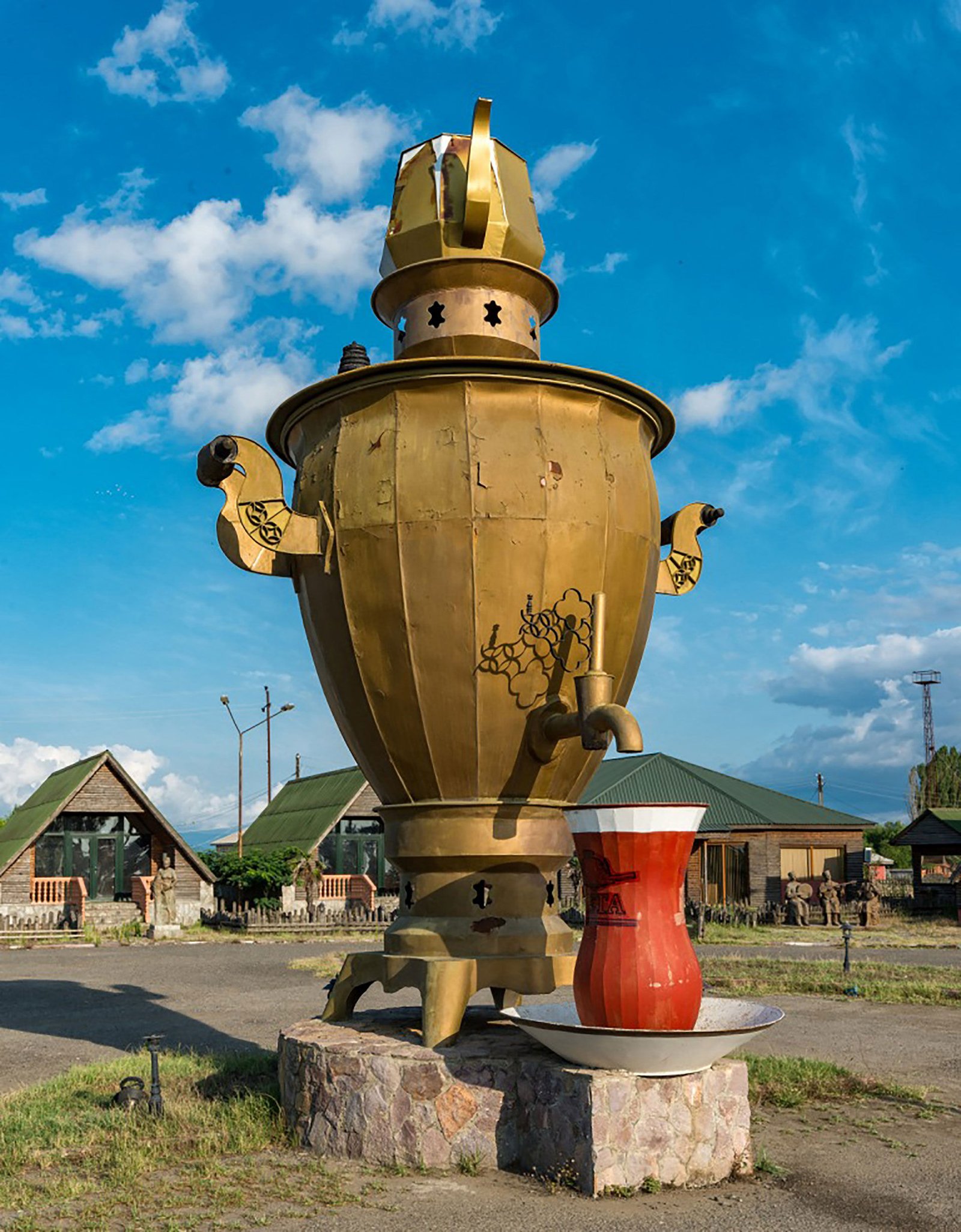
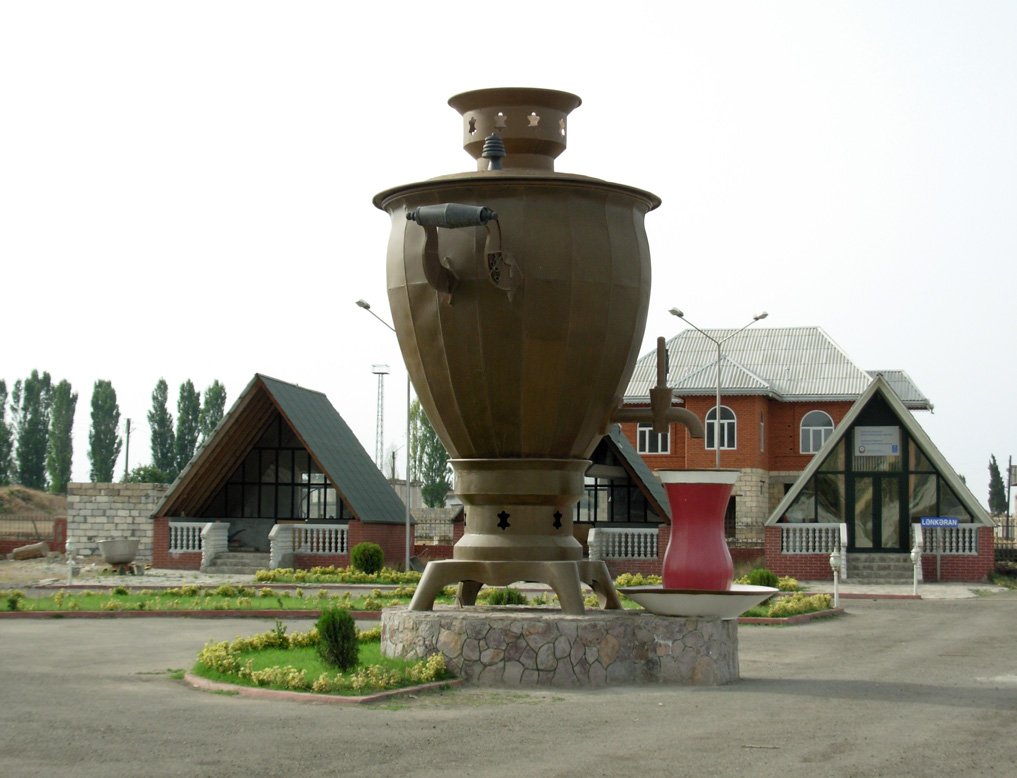
At the entrance to Lankaran, an ancient city on the southeastern coast of the Caspian Sea, travelers are greeted by an unusual monument. This is not a traditional memorial to heroes or national leaders. It is a gigantic golden samovar, and beneath its tap sits a red armudu - the traditional Azerbaijani tea glass with a distinctive pear shape. This is the Samovar Circle, a symbol that Lankaran is not merely another city, but rather the heart of one of Azerbaijan's most cherished and important traditions.
The monument does not announce itself loudly. It is not adorned with historical reliefs or ornate inscriptions. Its grandeur lies in its simplicity. In one enormous vessel of metal, in the readiness of water, in one red glass waiting to be used. It is an invitation - an invitation to pause, to rest, to feel the spirit of the city.
Lankaran: The Birthplace of Azerbaijani Tea
Lankaran is located in a subtropical climate zone - a rare phenomenon at such northern latitudes. Here, nestled between the Talish Mountains and the Caspian Sea, conditions have proven ideal for growing crops traditionally associated with southern regions. Rice, citrus fruits, feijoa, kiwis - all thrive in Lankaran. But the crop that brought the city fame far beyond Azerbaijan's borders is tea.
Tea was first introduced to Lankaran in the early 20th century. Yet local conditions proved so ideal that tea cultivation flourished, eventually covering significant agricultural areas. By the 1930s, tea plantations occupied vast tracts throughout the region. Today, Lankaran tea is known not only throughout Azerbaijan but across the world. It is frequently compared to Ceylon tea - high praise for any tea producer.
The quality of Lankaran tea is determined by several factors. First, the climate - warm, humid, with abundant rainfall. Second, the soil - fertile and rich in organic matter. Third, the expertise of local farmers who have worked with plants for centuries and understand the subtleties of agriculture in this region.
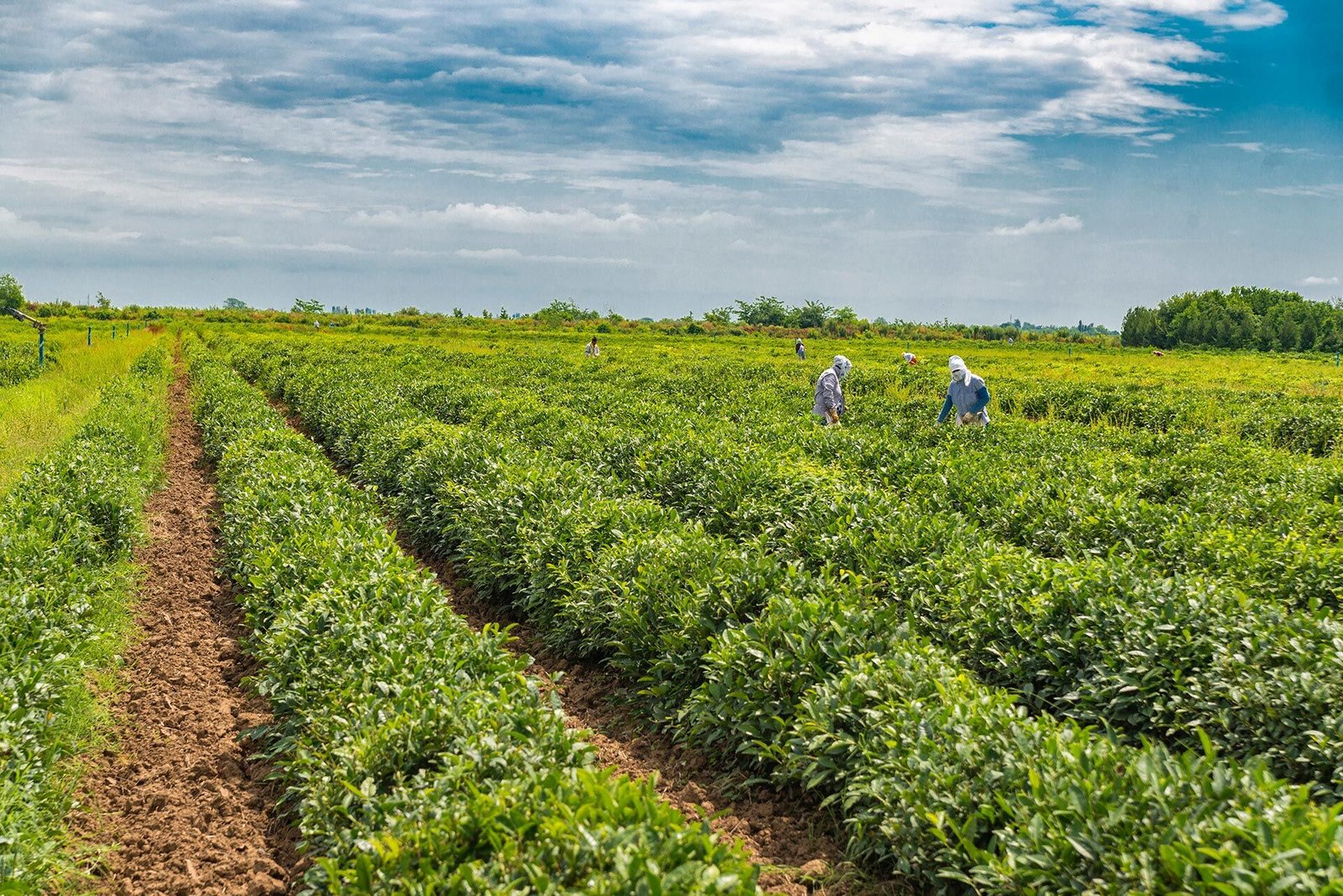
As you travel through the Lankaran district, you are surrounded by tea plantations - endless green hills where farmers work, harvesting leaves. This is a living landscape, constantly changing with the seasons and harvest times.
The red armudu placed beneath the samovar's tap in the Samovar Circle is not merely a decorative element. It is a symbol of tradition, passed down through generations of Azerbaijanis.
The armudu has a unique form - pear-shaped, with a wide base and narrow opening. This shape is no accident. It allows one to drink hot tea without burning one's lips. It fits comfortably in the hand. It is both beautiful and elegant.
The tradition of drinking tea from an armudu extends back into antiquity. Azerbaijanis do not simply drink tea - they experience tea drinking as a ritual. It is a time for conversation, for reflection, for communion with family or friends. Tea is served hot, often accompanied by sugar or dried fruits. The first glass is offered as thanks for the guest's visit. The second glass is an invitation to stay and converse. The third glass is an invitation to become part of the family.
Armudu glasses are often adorned with carved ornament, gold or silver inlay. Each beautiful armudu is a work of art, reflecting the craftsmanship of Azerbaijani artisans.
A Journey Along the Silk Road and Tea Traditions
Lankaran stood at the intersection of the Great Silk Road - the legendary trading route that connected East and West. For centuries, merchants, travelers, and pilgrims passed through this city. They brought goods, ideas, and culture.
Tea was among the most valuable commodities on the Silk Road. It was expensive, rare, a luxury item. Merchants arriving in Lankaran understood tea's significance. They recognized that local tea production could become a source of wealth and influence.
When modern tea production began in Lankaran in the 20th century, it followed this ancient tradition. Lankaran tea became part of the same story that had connected cities and civilizations for millennia.
In 2021, Lankaran received the prestigious designation of "UNESCO City of Gastronomy." This means the city was recognized internationally as a center of culinary excellence, as a place where food is not merely sustenance but art, culture, and identity.
Tea stands at the center of this gastronomic identity. But it is not merely tea in isolation. It is tea served with specific foods, at specific times, with specific intentions. It is tea that accompanies the Azerbaijani breakfast, lunch, and dinner.
Tours around the regions of Azerbaijan that include Lankaran often feature culinary experiences - visits to local restaurants, tastings of Azerbaijani cuisine, the pairing of food with tea. This is a journey not only with the eyes but with the palate.
Tours in Azerbaijan departing from Baku to the south of the country make the Samovar Circle their first stop in Lankaran. Guides tell tourists about tea culture history, about Lankaran's story, about the armudu tradition. They demonstrate how a traditional Azerbaijani samovar functions, how to properly drink tea from an armudu.
For many tourists, this stop becomes their first real contact with Azerbaijani culture in its purest, most authentic form. Not in a museum, not in a book, but in real life, on city streets, where people hurry, where children play, where life continues its course.
Tea in Azerbaijan is not merely a beverage. It is a form of communication. When Azerbaijanis invite guests to tea, they invite them into their world, their family, their culture. A tea session may last for hours, filled with conversation, laughter, and exchange of ideas.
The tradition of tea drinking is so deeply embedded in Azerbaijani culture that it appears in proverbs and sayings. "Tea is what unites people," Azerbaijanis say. And they are right. Around tea, families are created, deals are concluded, friendships are established.
The Samovar Circle in Lankaran is a monument to this tradition. It is a reminder that tea is not simply a beverage to be consumed quickly and abandoned. It is a reason to pause, to sit beside another person, to talk, to listen, to be present in the moment.
If you visit Lankaran as the sun descends toward the Caspian Sea, you will see tea plantations bathed in golden light. The green of the leaves becomes even more saturated. Workers harvesting the last leaves of the day appear as silhouettes against the light.
In this moment, the Samovar Circle becomes particularly symbolic. It is a monument not merely to tea, but to a way of life connected to tea. It is a monument to this remarkable plant that can be cultivated in this part of the world. It is a monument to the people who work daily on these plantations to deliver tea to your cup.
The Samovar Circle in Lankaran is more than simply a monument. It is a symbol. A symbol of Azerbaijan's tea culture, a symbol of hospitality, a symbol that even in today's fast-paced world there remains space for slow, mindful enjoyment of the moment.
When you see this gigantic samovar at the city's entrance, you see an invitation. An invitation to stop. An invitation to try something new. An invitation to understand people and culture through what they drink each day.
Lankaran is a city where ancient traditions meet modernity. Where tea, cultivated in subtropical conditions, becomes the thread connecting past and present. Where the red armudu and golden samovar remain symbols of hospitality and human warmth.
Come to Lankaran and experience this yourself. Stop at the Samovar Circle. Imagine the taste of hot, fragrant Lankaran tea. Understand why this beverage is so important to Azerbaijani culture. This understanding will change not only your perspective on Azerbaijan but also your understanding of hospitality and human connection itself.
Comments (0)
Leave a Comment